Line Vintage Windows: A Decorative Embroidery Design Review
As an experienced embroidery designer and product reviewer, I always look for designs that not only stand out visually but also perform reliably across a range of real-world applications. Line Vintage Windows. Decorative caught my eye as a potential asset for both personal and commercial projects. This design is more than just an architectural outline—it’s a mood. Let me walk you through how it fits into the world of embroidery from a practical standpoint.
Aesthetic First Impressions
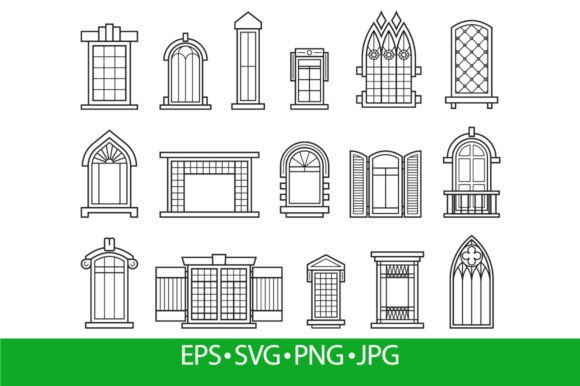
The first thing that struck me about Line Vintage Windows was its clean, minimalist feel. The silhouette-based style gives off a retro charm without being too ornate or busy. It's like looking at a classic drawing of old European windows—arches, frames, and subtle outdoor elements are all there, but they're simplified enough to maintain clarity in embroidery form.
This kind of line art is incredibly versatile. It doesn’t scream for attention, which makes it ideal for products where subtlety and elegance are key. If you’re designing a tote bag with a vintage-inspired theme or a holiday gift that needs to feel timeless yet modern, this design can serve as the perfect visual anchor.
Visual Personality and Project Fit
The design has a quiet sophistication. It doesn't rely on color or texture, so it feels more like a statement piece than something loud. That said, it still carries enough detail to be engaging. The arches and frames give it structure, while the small windowpane details add a touch of authenticity.
I see this working particularly well on items like sweatshirt embroidery, pillow covers, and custom apparel for boutique brands. It’s not the kind of design that would dominate a baby onesie, but it could be used as part of a larger scene or paired with other soft motifs for a cohesive look. For handmade product creators, especially those who focus on personalized gifts or home décor, this design offers a nostalgic aesthetic that resonates with many customers.
Performance in Real-Life Embroidery Projects
Let’s say I’m preparing a custom embroidered tote bag for a local artisan market. I want the design to reflect a sense of history and craftsmanship. When I tested Line Vintage Windows on a cotton canvas tote, it looked fantastic. The outlines stitched cleanly, and the negative space allowed the fabric to peek through, adding depth to the overall appearance.
- Tote Bag Design: The windows were placed near the top corner, complementing the bag's natural shape. The stitch density was low enough to avoid puckering but still maintained the integrity of the lines.
- Custom Apparel: On a sweatshirt made from medium-weight fleece, the design stood out nicely. However, I noticed that the fine lines needed a bit more contrast in thread colors to really pop against the darker background.
- Baby Embroidery: When applied to a white muslin blanket, the design felt delicate and appropriate for a nursery setting. The lack of bold colors kept it from being overwhelming for infants.
- Embroidered Patch: As an applique design, it worked well when using satin stitches along the edges. The simplicity of the line work made it easy to adapt into a layered patch format without losing its essence.
Customer Reactions and Marketability
From a buyer engagement perspective, this design has a strong visual appeal. Its vintage nature taps into current trends around retro aesthetics and farmhouse-style décor. Customers shopping for holiday gifts or nursery decor often gravitate toward these kinds of timeless visuals. I’ve seen similar silhouettes sell well in Etsy listings, especially when paired with seasonal elements or typography.
What I appreciate most is how the design maintains a professional look even in smaller formats. It doesn’t require high stitch counts to convey quality, which is great news for craft business owners who may be working with limited hoop sizes or tight budgets.
Where to Use with Caution
While Line Vintage Windows is elegant and adaptable, there are some limitations to consider before applying it to every project. Here are a few scenarios where it might not perform optimally:
- Small Hoop Sizes: The design has several intricate corners and thin lines. In very small hoops, these details can become lost or distorted during stitching.
- Textured Fabrics: Stitching on denim, flannel, or canvas can cause the fine lines to appear uneven. It works best on smooth, stable fabrics like cotton, linen, or quilting cotton.
- Thin or Stretchy Fabrics: These materials can lead to distortion if the design isn’t properly stabilized. Especially when using running stitch or sparse fill areas, stabilizer becomes essential.
- Dark Fabric Backgrounds: Without careful selection of thread colors, the design can fade into the background. Testing in black and white mockups beforehand helps determine visibility.
- Products with Frequent Washing: Since the design relies heavily on negative space and light thread coverage, frequent washing could cause slight fraying or fading, especially if the fabric is stretchy or the threads aren’t pre-washed.
Stitch Clarity and Detail Handling
One of the key factors in evaluating any machine embroidery design is how clearly it stitches out. Line Vintage Windows uses a lot of open spaces and minimal fill stitch, which reduces the risk of bulk. However, the corners and arches need close inspection. If the design is scaled down significantly, those corners might lose their crispness, leading to a less polished finished product.
For digital embroidery file users, the vector-based approach allows for scaling, but it’s important to review the stitch directions and adjust them if necessary for your specific fabric and hoop size. Also, keep in mind that the EPS and SVG formats mean it’s likely intended for graphic use, so actual embroidery performance will depend on how well the digitizer translated the illustration into stitch paths.
Practical Designer Notes for Best Results
Before using Line Vintage Windows in a production run or client project, here are a few tips I’d recommend to ensure it looks its best:
- Test on Scrap Fabric: Always do a test stitch on a sample of the final fabric. This helps identify issues with stitch distortion or visibility.
- Check Thread Color Contrast: Use a dark thread on light backgrounds and vice versa. Avoid using thread that matches the fabric too closely unless you’re going for a subtle effect.
- Review Stitch Density: Because the design leans on negative space, overly dense stitching can negate its visual impact. Adjust the stitch spacing to match the fabric type and desired look.
- Confirm Hoop Size Requirements: Make sure your hoop can accommodate the full design area, including any surrounding whitespace if included in the file.
- Inspect Small Details: Zoom in on the digitized version and check whether tiny lines or corners have been handled correctly. Misaligned stitches can ruin the illusion of precision.
- Use Proper Stabilizer: Especially on stretchy or unstable fabrics, cut-away or tear-away stabilizers help maintain the sharpness of the lines.
- Compare Light and Dark Backgrounds: Do a side-by-side comparison to see how the design performs under different lighting conditions and fabric types.
- Test Black and White Mockups: This helps visualize how the design will look without color bias and ensures it’s legible and impactful.
- Confirm Licensing for Commercial Use: Before selling finished items or digital assets based on this design, double-check the licensing terms to stay compliant.
Design Value and Brand Consistency
When it comes to brand consistency, this design has a unique visual identity that can be leveraged across multiple products. Whether you’re creating a small shop product line or building up your design assets for future projects, the consistent architectural motif helps reinforce a recognizable style.
It also adds value by elevating the perceived professionalism of your embroidery project. Even though it’s a decorative illustration, the clean layout and thoughtful composition make it feel intentional and high-quality. That kind of presentation can boost customer trust and increase the product value of what you offer.
Final Thoughts for Crafters and Entrepreneurs
In summary, Line Vintage Windows. Decorative is a beautiful and functional addition to any embroiderer’s collection. It brings a touch of nostalgia and architecture to modern-day handmade and commercial products alike. But like any design, it requires a bit of care and consideration to ensure it performs well across various applications.
If you're an apparel decorator, handmade shop owner, or creative entrepreneur, this design could fit naturally into your offerings—especially if you cater to customers who love vintage aesthetics, home décor, or personalized gifts. Just remember to test it thoroughly, choose the right thread colors, and use appropriate stabilizers to get the best results.
With the right preparation, Line Vintage Windows can become a signature element in your embroidery project portfolio. It’s not just another illustration; it’s a carefully crafted machine embroidery design ready to bring a touch of timeless beauty to your next creation.