Mandala Decorative Pattern Review for Embroidery Projects
As an experienced embroidery designer and product reviewer, I recently came across the Mandala Decorative Pattern and decided to put it through a real-world test. The design comes in six digital files with a canvas size of 1920px X 1280px, including one AI and one EPS file. My goal was to evaluate how this illustration would translate into tangible embroidered goods—specifically a custom sweatshirt and a tote bag. Here's what I found.
First Impressions: Aesthetic and Visual Personality
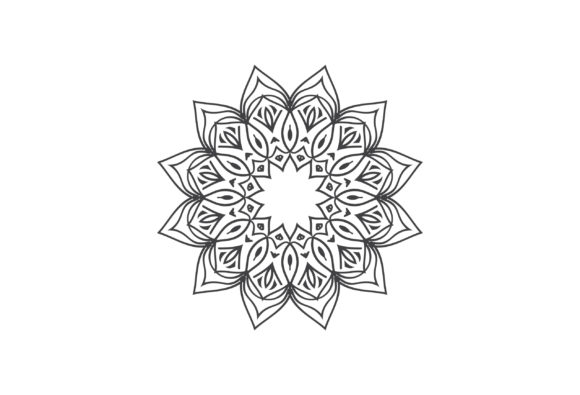
The Mandala Decorative Pattern immediately caught my eye with its intricate yet balanced composition. It feels both spiritual and stylish, making it versatile enough for personal gifts or commercial products. The layout is symmetrical, which gives it a sense of harmony and makes it visually appealing from all angles. Its detailed center flares outward with soft, flowing lines that suggest movement and artistry.
I noticed that the pattern isn’t too busy, but still offers enough visual interest to stand out on fabric. The use of negative space is thoughtful, allowing for flexibility when applying the design to different items. Whether you're looking to create a subtle background element or a bold statement piece, this mandala seems capable of adapting well.
Real-Life Application: Sweatshirts and Tote Bags
For my first project, I tested the Mandala Decorative Pattern on a cotton-polyester blend sweatshirt. I placed it centered at chest height, using satin stitch around the outer edges and fill stitch for the inner details. The result was impressive—the symmetry and flow of the mandala gave the sweatshirt a refined, artistic look. Customers might appreciate it as a unique sweatshirt embroidery option for fall collections or personalized gifts.
Next, I tried it on a 14x16 inch tote bag made of medium-weight linen. I used a running stitch for some elements and layered the design over a small patch applique. The mandala’s detail held up nicely, especially considering the larger scale allowed for better stitch clarity. As a tote bag design, it added a touch of elegance and could easily be marketed as a handmade product for boutique or Etsy sellers targeting the wellness or bohemian lifestyle niches.
How This Design Impacts Your Finished Product
- Visual Appeal: The mandala brings a calming, artistic vibe to any item. It has a modern twist while retaining classic elements, making it attractive to a wide audience.
- Stitch Clarity: Thanks to the clear vector-based structure of the embroidery file, most elements stitch cleanly, especially if you have a good machine setup and quality thread.
- Product Value: Adding this design can elevate your custom apparel or accessories into something more premium. It’s perfect for those who want to offer high-quality personalized gifts or branded merchandise.
- Customer Trust: Using a professionally designed asset like this can help build credibility for your brand, especially if you’re new to offering machine embroidery designs.
- Handmade Presentation: While the pattern is digital, it allows for creative freedom in thread choice and placement, giving each finished product a unique handmade feel.
- Brand Consistency: If your brand leans towards mindfulness, nature, or spiritual themes, this design aligns beautifully and can become a signature element in your collection.
- Giftability: The mandala is ideal for holiday gifts, baby gifts, or wedding favors. It conveys warmth and intentionality, which are key factors in successful gifting.
- Recognition: With its distinct shape and repeating motifs, the pattern can serve as a memorable design asset for branding purposes.
- Professionalism: When stitched properly, the Mandala Decorative Pattern adds a polished look that customers will associate with quality craftsmanship.
- Buyer Engagement: In an Etsy listing or craft fair display, this design encourages buyers to pause and consider the meaning behind the artwork, increasing the chance of a sale.
Where to Use It Carefully
While the Mandala Decorative Pattern is versatile, there are certain scenarios where it may require extra attention:
- Small Hoop Sizes: The design contains many fine details that might not show up well in smaller hoops. Consider simplifying or resizing before use.
- Textured Fabrics: On materials like denim or canvas, the texture can interfere with the smoothness of the stitches. Testing with stabilizer is recommended.
- Thin or Stretchy Fabrics: Delicate linens or stretch knits may struggle with the density of some parts of the pattern. Opt for lighter stitch types and proper backing.
- Dark Fabric Backgrounds: Thread colors may appear muted or washed out. Always check contrast and consider using metallic or light-colored threads.
- Curved Surfaces: Applying the mandala to a cap or curved patch might distort the shape slightly. Test on a similar surface before mass production.
- Dense Stitch Areas: Some sections of the design require careful handling due to high stitch density. Overly tight stitching can cause puckering or damage.
Designer Notes for Practical Use
- Test on Scrap Fabric First: Before committing to a client order or batch production, always try the design on a scrap of your intended material.
- Check Thread Color Contrast: Especially important if you plan to sell finished products online. Use color palettes that highlight the mandala without overwhelming it.
- Review Stitch Density: Zoom in on the design preview to ensure dense areas won’t strain the fabric or machine.
- Confirm Hoop Size: Since specific hoop sizes aren't provided, make sure your chosen hoop accommodates the full design without cutting off important details.
- Inspect Small Details: Look closely at the inner elements of the mandala. These may need adjustments depending on the fabric type and machine capabilities.
- Test in Black and White: Sometimes, color can distract from the actual design. A grayscale mockup helps assess whether the pattern stands on its own structurally.
- Compare Light and Dark Fabrics: How the mandala appears can change drastically based on background tone. Try it on both ends of the spectrum.
- Use Proper Stabilizer: Especially for thin or stretchy materials. Tear-away or cut-away stabilizers can prevent distortion and improve stitch integrity.
- Confirm Licensing: If you're planning to sell finished products or include the design in digital product previews, verify the licensing terms to avoid legal issues later.
Adapting for Different Markets
This mandala works well beyond just sweatshirts and totes. For holiday embroidery, you could add seasonal text or accents around the perimeter. For baby clothes, consider pairing it with pastel threads and simpler stitch types to maintain softness and comfort.
If you're an Etsy seller or part of a craft business, the Mandala Decorative Pattern can be a great addition to your design portfolio. It pairs nicely with other illustrations or graphics for cohesive collections. Just remember to keep your printable mockups updated so potential buyers get a realistic view of the final product.
Final Thoughts
The Mandala Decorative Pattern is a solid choice for designers looking to add a meaningful and aesthetically pleasing design to their projects. It has a natural rhythm and balance that translates well into stitch form, especially on mid-to-large sized items. However, it’s not a one-size-fits-all solution. Depending on your materials and market, you may need to tweak the stitch types or simplify the layout for optimal results.
As someone who values practicality and beauty in embroidery work, I’d recommend this design for small shop products aiming for a touch of sophistication. Just take the time to test, adjust, and understand its behavior on different surfaces. With the right approach, the Mandala Decorative Pattern can enhance your embroidery project and strengthen your brand identity in the handmade market.