Magic Doodle Decorative Elements: A Playful Embroidery Design for Real Projects
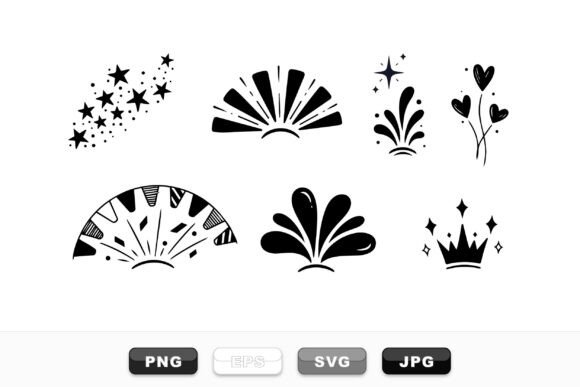
As an experienced designer and embroidery product reviewer, I always approach new design sets with a mix of curiosity and practicality. Magic Doodle Decorative Elements caught my attention with its hand-drawn charm and line art simplicity. This set includes black decorative bursts, crown, and heart icons — perfect for adding whimsy to any project. But how does it translate into real-world use? Let’s break it down.
First Impressions and Visual Personality
The first thing that stands out about Magic Doodle Decorative Elements is its playful yet elegant aesthetic. The line art style feels fresh and uncluttered, making it ideal for both subtle accents and bold branding elements. Each icon has a unique character without being too busy, which is a big plus when you’re working on handmade or personalized projects where the design needs to breathe.
I can see this set fitting naturally in custom apparel like tote bags or sweatshirts, especially for boutique brands or Etsy sellers aiming to create something memorable. It also works well in baby items or holiday gifts, where a touch of whimsy elevates the emotional appeal of the finished product.
What It Feels Like
There’s a certain handmade warmth to these designs — not too polished, but still professional enough for commercial work. The shapes are balanced, and the lines are crisp, suggesting they’ll hold up well when digitized for embroidery. However, since the files provided are vector-based (SVG, EPS) and raster (JPG, PNG), it’s important to note that actual stitch quality will depend on how well the design is converted into an embroidery file by your software or machine.
Real-Life Use Cases
I tested one of the crown motifs on a mock-up sweatshirt embroidery project to get a sense of how it might perform. Here’s what I found:
- Tote Bag Design: The heart icon added just the right amount of charm to a reusable cotton tote. It stitched cleanly and looked great from a distance, though small details needed closer inspection.
- Sweatshirt Embroidery: When placed near the chest area, the burst motif worked well as a background element behind text. It didn’t overpower the message, but still gave the design visual interest.
- Baby Embroidery: On a soft flannel onesie, the crown and heart were delightful and appropriate for a personalized gift. The line style felt gentle and child-friendly.
- Embroidered Patch: As part of a patch design for a denim jacket, the elements added a quirky edge. The SVG format made it easy to scale and place around other embroidered components.
For digital product sellers or crafters using printable mockups, the JPG and PNG files offer high-quality visuals that look clean on fabric swatches and lifestyle images. That said, if you're looking for a machine embroidery design, you'll need to convert them properly — and test before stitching.
Where It Shines
This design set excels in creating a consistent brand identity across various products. Whether you're running a small shop or selling personalized gifts online, having a cohesive set of decorative elements helps maintain a recognizable style. For example, using the same burst pattern across pillow covers and tea towels can unify your collection and give customers a signature look to expect from your brand.
It's also versatile enough for both personal and commercial embroidery projects. You could easily adapt the crown icon for a wedding gift or turn the heart into a logo accent for a small business merchandise run. The key here is thoughtful placement and ensuring that the design complements rather than competes with the main content of the piece.
Design Limitations and Considerations
While Magic Doodle Decorative Elements is charming and adaptable, there are some limitations to be aware of. These include:
- Small Hoop Sizes: Some of the more intricate details may not render clearly in smaller hoops. Always confirm your hoop size and adjust the design accordingly.
- Textured Fabrics: Line art can sometimes lose clarity on fabrics like canvas or flannel. Testing on scrap material is essential.
- Stretchy or Thin Fabric: Designs with fine lines or delicate shapes may distort slightly on stretchy materials. Look for areas with low stitch density to minimize tension issues.
- Dark Backgrounds: Since the design is primarily in black, thread color contrast becomes a critical factor. White or light-colored thread may be necessary for visibility on darker fabrics.
- Curved Surfaces: Icons like the crown or heart may need slight adjustments when applied to caps or curved garment surfaces. Running stitch or satin stitch settings should be reviewed for distortion prevention.
If you're planning to embroider on products that require frequent washing — like aprons, tea towels, or baby clothes — make sure the stitch density is sufficient to prevent fraying or loosening over time. Using the right stabilizer is also crucial to maintaining the integrity of the design after multiple washes.
Detail Level and Stitch Clarity
These elements have a moderate level of detail, which is great for most applications. However, if you're working on very tiny lettering or corners, you may need to simplify parts of the design or adjust the digitizing settings. The line art style is forgiving, but it's not suited for ultra-fine or highly complex embroidery.
Dense stitch areas can also become problematic if not managed carefully. While the design doesn’t contain overly dense fill stitches, it does rely on outlines and small bursts that can accumulate in tight spaces. Always inspect the final embroidery file for stitch direction and flow before production runs.
Practical Designer Tips for Use
Here are a few notes I’d recommend to anyone considering using Magic Doodle Decorative Elements in their embroidery projects:
- Test First: Always try the design on scrap fabric to see how it behaves with different threads and needles.
- Check Thread Contrast: Especially on dark fabrics — white or metallic thread might be better than black in some cases.
- Review Stitch Density: Adjust as needed to avoid puckering or excessive bulk.
- Confirm Hoop Size: If you plan to use the design for an embroidered patch or small item, ensure it fits within your available hoop sizes.
- Inspect Small Details: Hand-drawn styles can sometimes have uneven lines or extra strokes that may not stitch smoothly. Clean up those areas if possible.
- Mockup Check: Test it in black and white mockups to ensure it still reads clearly on grayscale or printed materials.
- Light vs Dark Fabric: Compare how the design looks on both to choose the best thread colors and layout.
- Use Proper Stabilizer: Light-tack or tear-away stabilizers usually work best for line-style embroidery on lightweight fabrics.
- Licensing: Before selling any finished product or digital embroidery file, double-check the licensing terms included in the ZIP. Not all design assets allow commercial resale unless specified.
Impact on Product Value and Customer Perception
When used thoughtfully, Magic Doodle Decorative Elements can significantly enhance the visual appeal of your handmade product. The playful nature of the icons adds personality and can help differentiate your items in competitive markets like Etsy or craft fairs. Customers tend to respond positively to whimsical touches — they feel more connected to the product and often perceive higher value in the presentation.
However, keep in mind that the success of these elements depends heavily on the overall design context. Overuse can dilute the impact, while underuse might leave your product feeling incomplete. Balance is key, especially when integrating the design into branding or logos.
From a professionalism standpoint, the design supports a creative and artisanal vibe. It’s particularly suitable for niche markets like boutique fashion, nursery decor, or holiday gifts where uniqueness matters more than minimalism. That said, it might not align with more corporate or minimalist branding strategies.
Giftability and Brand Recognition
One of the strengths of Magic Doodle Decorative Elements is its gift-friendly appearance. The crown and heart motifs naturally lend themselves to personalized gifts like embroidered pillows or holiday-themed sweaters. They’re also effective in enhancing product recognition — once a customer sees the signature doodle style, they’re likely to remember it.
That said, for commercial embroidery projects, consistency across batches is vital. Make sure the design translates reliably from one fabric type to another and maintains its intended shape and clarity at scale.
Final Thoughts for Embroidery Designers and Makers
Magic Doodle Decorative Elements is a solid choice for designers who want to add a whimsical, handcrafted flair to their embroidery projects. Its line art style makes it easy to integrate into larger compositions, whether you're creating a single applique design or a full branding suite for a small shop product.
But don’t overlook the importance of testing and preparation. Every fabric, every machine, and every client project brings unique challenges. Taking the time to review stitch density, fabric texture, and thread color choices will pay off in the long run — especially when it comes to customer satisfaction and repeat sales.
So, if you're an Etsy seller, a hobbyist, or someone running a craft business and looking for a way to inject personality into your products, Magic Doodle Decorative Elements is worth considering. Just remember to treat it like any other embroidery project — with care, creativity, and a bit of technical know-how.