Kitchen Rules Label: Graphics & Illustrations
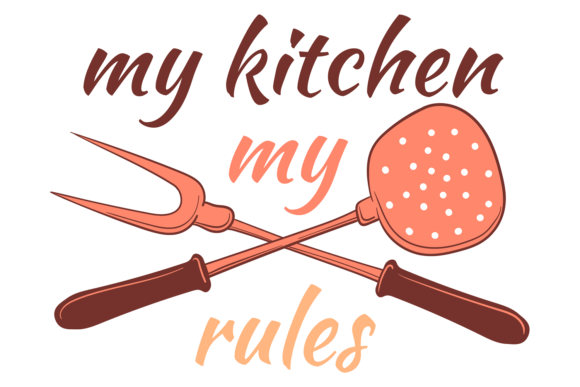
As a designer who regularly works on branding, packaging, and marketing visuals, I always look for design assets that bring personality and polish to a project. Kitchen Rules Label. Decorative Element caught my eye as a creative design that could add a unique touch to a variety of client work. This graphic design asset features cooking tools isolated on a white background, available in multiple file formats including EPS, JPG, SVG, and transparent PNG. It’s a versatile addition to any design bundle or digital product.
First Impressions: A Nostalgic, Functional Aesthetic
The first thing I noticed about Kitchen Rules Label. Decorative Element is its clean, nostalgic feel. The white background gives it a crisp, modern look while the cooking tools—like knives, spoons, and ladles—add a sense of warmth and familiarity. This design element feels like it belongs in a handmade business or small business branding project. It’s not overly complex, but it has enough detail to stand out in a visual hierarchy without overwhelming the overall composition.
This graphic design asset would fit well in projects that aim to evoke a cozy, kitchen-themed vibe. Whether it's for a seasonal campaign, an Etsy product, or a print-on-demand item, the design offers a subtle yet effective way to reinforce the theme without being too literal.
Real-World Applications: From Packaging to Social Media
In real design situations, Kitchen Rules Label. Decorative Element can be used in a variety of ways. For instance, in logo design, it could serve as a supporting icon that adds character to a brand’s visual identity. In packaging design, it might appear as a decorative accent on labels or product boxes, especially for food-related items or kitchenware brands.
For social media graphics, this design asset could be used as a hero graphic or a background element that ties into a campaign’s theme. It also works well in editorial design, such as blog visuals or magazine layouts focused on food, home decor, or lifestyle topics. When placed on a Canva template or Cricut project, it adds a professional finish without requiring extensive editing.
Sticker design, t-shirt design, and merchandise projects can benefit from this asset as well. Its high-quality vector format makes it ideal for sublimation design or printing on mugs, tote bags, and other promotional items. The transparent PNG version ensures it can be easily integrated into various backgrounds without losing clarity.
Best Uses: Large Layouts and Themed Projects
Kitchen Rules Label. Decorative Element shines when used in large layout areas or as a hero graphic. It’s perfect for product mockups, where it can add visual interest without distracting from the main message. In themed collections or campaign visuals, it helps create a cohesive look that aligns with the project’s overall aesthetic.
This design asset also works well in printable designs, such as wall art or downloadable templates. Its clean lines and white space make it easy to scale up or down without losing quality. For editorial design or web design projects, it can act as a subtle backdrop or a focal point depending on the context.
Caution Areas: Minimalist Branding and Complex Backgrounds
While Kitchen Rules Label. Decorative Element is visually appealing, it may not be the best choice for minimalist branding or projects that require a very clean visual hierarchy. In crowded layouts or on complex backgrounds, the design can become lost or compete with other elements.
It also may not fit well in professional corporate materials or projects that demand a highly structured approach. For these cases, simpler, more neutral design assets might be more appropriate. Additionally, when working with low-contrast designs, the white background could cause readability issues if not properly adjusted.
Design Considerations: Testing and Licensing
Before using Kitchen Rules Label. Decorative Element for a client project, I recommend testing it in different scenarios. Preview it at small and large sizes to ensure it remains legible and retains its detail. Place it on real mockups to see how it interacts with other design elements.
Check contrast on both light and dark backgrounds, and if it’s part of a commercial design, confirm that the file formats (SVG, PNG, etc.) are editable and compatible with your workflow. If the asset includes transparent PNGs, inspect the edges to ensure there are no unwanted artifacts.
Also, compare it with different font styles—serif, sans serif, script, or display fonts—to see how it complements the typography. Finally, always review the commercial licensing terms before using it for a client or business project. Make sure it’s suitable for print-on-demand, Etsy products, or other commercial applications.
Conclusion: A Useful Addition for Creative Projects
Kitchen Rules Label. Decorative Element is a practical design asset that can enhance a wide range of creative projects. Whether you're working on a handmade business branding effort, a seasonal campaign, or a digital product, this graphic design asset offers a stylish and functional way to elevate your visuals.
Its versatility, clean style, and availability in multiple formats make it a valuable addition to any design toolkit. As long as it’s used thoughtfully and appropriately, it can help create a more polished, engaging, and emotionally resonant final result for your clients.