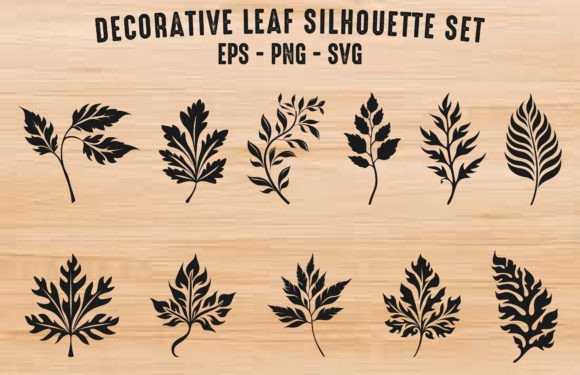
Decorative Leaf Silhouette Vector Graphics for Creative Projects
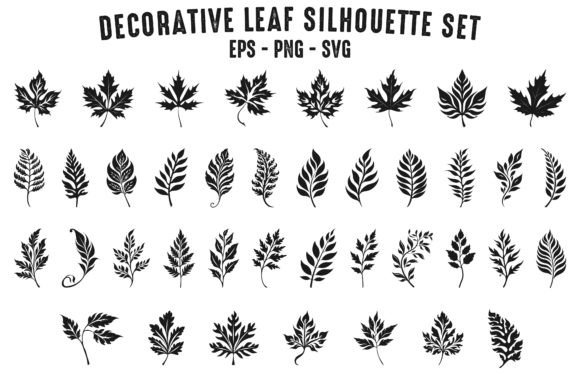
As a graphic designer who regularly works with small businesses, seasonal campaigns, and handmade brands, I'm always on the lookout for versatile design assets that can elevate a project without overwhelming it. Recently, I came across the Set of Decorative Leaf Silhouette Vector, and after testing it in several real-world applications, I’m ready to share my professional take. This vector bundle isn’t just another clipart download—it's a solid illustration resource that can bring subtle sophistication or bold visual interest depending on how you use it.
Aesthetic First Impressions: Nature Meets Modern Design
The Decorative Leaf silhouettes vector bundle immediately caught my eye with its clean, stylized approach. The leaf shapes are elegant and minimalistic yet rich in character, making them ideal for projects where organic elements are needed but shouldn’t distract from the main message. These silhouettes feel like they’re pulled from a modern botanical sketchbook—each line is intentional, and there’s a sense of harmony between simplicity and artistry.
I found the collection especially suited for clients in the wellness, natural products, lifestyle, and seasonal décor niches. The black silhouette style evokes a timeless, classic mood, which can work wonders when paired with muted tones or earthy color palettes. It also offers a great contrast against vibrant backgrounds if used strategically.
Real-World Applications in Professional Projects
One of the most important tests for any design asset is how it performs in actual client work. Here’s how the Decorative Leaf Silhouette Vector held up across different scenarios:
- Brand Identity: Used as supporting graphics in brand guidelines, these silhouettes helped reinforce a nature-inspired theme while maintaining a cohesive look with other design elements.
- Product Labels & Packaging Design: Placed subtly around product names or at the bottom of labels, the leaves added a decorative touch without cluttering the layout. They worked best on matte finishes and large packaging surfaces.
- Social Media Graphics: When incorporated into Instagram posts or Pinterest pins for an upcoming fall campaign, the leaf silhouettes enhanced the autumnal aesthetic and improved audience engagement by adding visual warmth.
- Cricut Projects: The SVG format was particularly useful here. I tested it on a custom greeting card design and found it easy to scale and layer with text and other illustrations.
- Print-on-Demand Merchandise: On t-shirt designs and mugs, the silhouettes stood out well when placed centrally or along the edges. However, care had to be taken to ensure they didn’t become too busy when combined with multiple text layers or other graphics.
- Editorial & Blog Visuals: As header accents or page dividers in blog layouts, the leaves created a soft rhythm and made the content feel more curated and visually engaging.
When to Use the Set of Decorative Leaf Silhouette Vector
This design asset shines in areas where a little extra visual texture can make a big difference. Here are some of the best fit scenarios:
- Large Layout Areas: Think posters, flyers, or hero sections in web design. The leaf silhouettes can fill space beautifully without losing clarity.
- Hero Graphics & Themed Collections: Ideal for seasonal campaigns or themed product lines, such as a boutique’s holiday collection or a yoga studio’s spring cleanse visuals.
- Printable Designs: From wall art to printable calendars, these vectors maintain crispness even when printed at high resolution.
- Supporting Brand Elements: Use them in background patterns, social media templates, or as part of a Canva template to support the overall branding narrative without competing with key messages.
Where Caution Is Needed
While the Set of Decorative Leaf Silhouette Vector is highly adaptable, it doesn’t suit every context. Here are a few areas where I’d advise using it carefully:
- Small Sizes: At tiny scales, the intricate details can get lost or appear jagged if not scaled properly. Always preview at intended use sizes before finalizing.
- Crowded Layouts: If your design already has a lot of elements, adding more leaf silhouettes could push the layout over the edge. Less is often more in this case.
- Low-Contrast Backgrounds: Since these are black silhouettes, they may not stand out effectively on gray or pastel tones unless contrast is adjusted.
- Minimalist Corporate Materials: For sleek business cards or professional presentations, the decorative nature of these silhouettes might clash with the desired tone.
Design Performance: Readability, Hierarchy, and Emotional Appeal
In terms of readability and visual hierarchy, the Decorative Leaf Silhouette Vector performed admirably when used as accents rather than focal points. Their presence helped guide the viewer’s eye and provided a sense of continuity in multi-page projects. However, when layered too heavily or used inappropriately (e.g., in logo design), they began to interfere with the clarity of the main message.
Emotionally, the silhouettes brought a calming, organic feel to the visuals. Clients in the handmade and wellness sectors responded positively to the subtle elegance and natural motif. It’s a great tool for building trust and emotional resonance, especially in niche markets where authenticity matters.
Designer Notes: What to Check Before Going Commercial
Before recommending the Set of Decorative Leaf Silhouette Vector for a client project, here are a few practical checks I suggest every designer perform:
- Test in Black and White: Even though these are black silhouettes, seeing how they function in grayscale can help assess their adaptability for print or monochrome outputs.
- Check Contrast on Light and Dark Backgrounds: Make sure the silhouettes remain legible and impactful whether placed on white, dark green, or any other base color you're considering.
- Preview at Small and Large Sizes: Ensure the file formats (including SVG and PNG) render clearly at both ends of the size spectrum. This is crucial for digital ads or physical merchandise alike.
- Place on Real Mockups: I tested the set on product mockups for an Etsy shop launch and saw how it interacted with textures and lighting. That step gave me confidence in its usability across various platforms.
- Test Print Quality: If you're using these in packaging or stickers, print a sample to check for crisp lines and accurate reproduction.
- Review File Formats: The bundle includes four file types—this gives flexibility for different uses, but always confirm the quality and editability of each format.
- Inspect PNG Transparency: For overlay purposes, the PNG files should have clean alpha channels so they don’t bleed or distort on transparent or colored backgrounds.
- Check SVG Editability: As a vector-based asset, being able to tweak individual paths or colors in software like Adobe Illustrator is a huge plus for customization.
- Compare with Font Styles: I experimented with serif, sans-serif, script, and display fonts alongside the leaf silhouettes. They worked best with handwritten or script fonts for a cohesive, handcrafted feel.
- Confirm Commercial Licensing: Essential for anyone working on paid projects or selling digital goods. Always double-check the license terms to avoid legal pitfalls later on.
Final Thoughts: A Versatile Addition to Your Design Toolkit
The Set of Decorative Leaf Silhouette Vector is a valuable addition to any creative designer’s library. Its versatility makes it suitable for both digital and print applications, from sublimation designs on apparel to editorial spreads and packaging concepts. While it may not be appropriate for every project, especially those requiring a very clean visual hierarchy, it excels in creating a warm, inviting atmosphere for lifestyle and seasonal branding efforts.
If you're working with a small business owner looking to build a strong visual identity or a marketer preparing for a nature-themed campaign, this illustration set can add depth and personality to your creative output. Just remember to test it thoroughly in your specific use cases and ensure it aligns with the tone and goals of your design project.